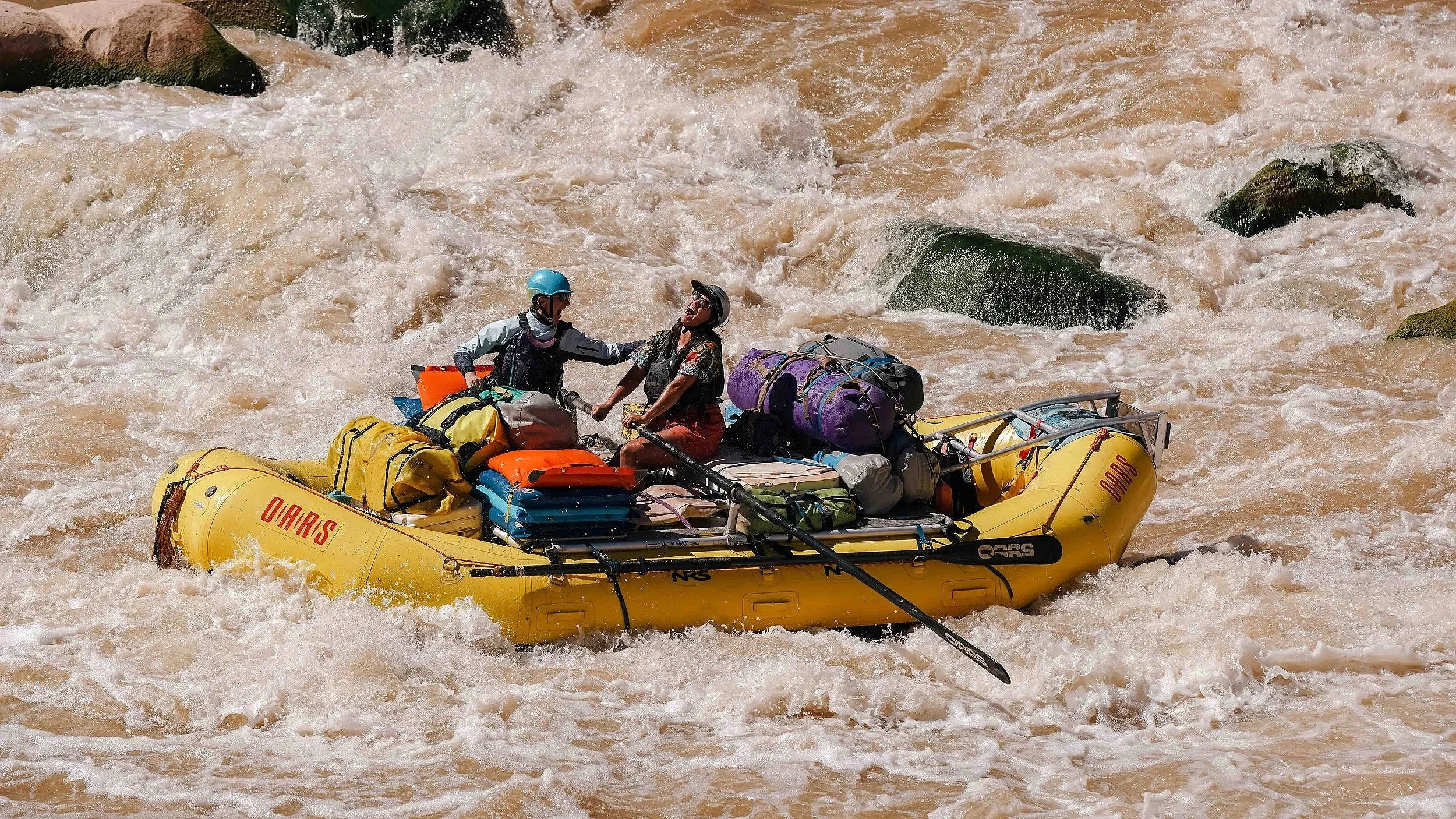
There is a group of people working to understand one of the most important environmental stories in the western United States. The Returning Rapids Project merges frontline science, storytelling, and a love of wild rivers at a time when it has never been more important.
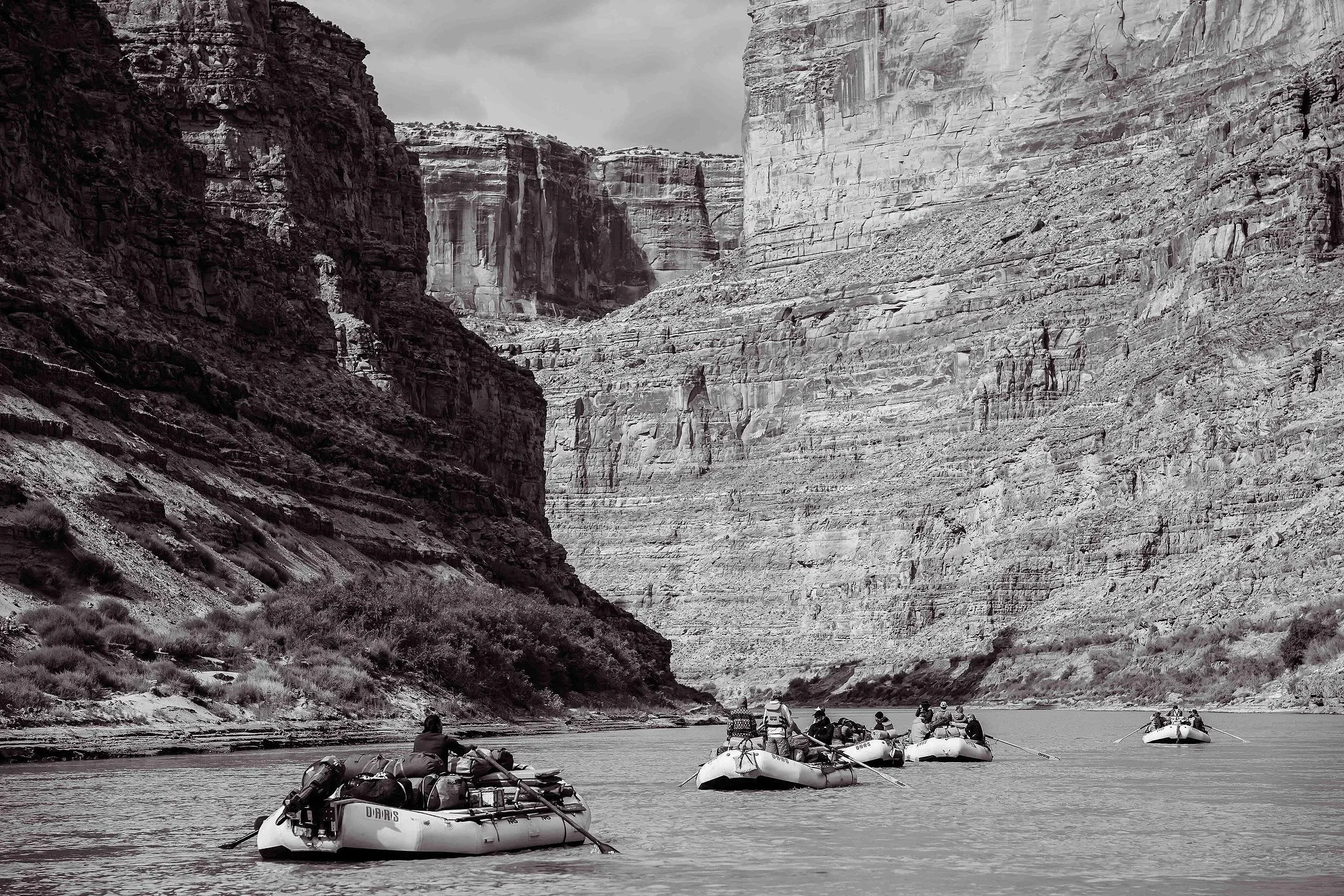
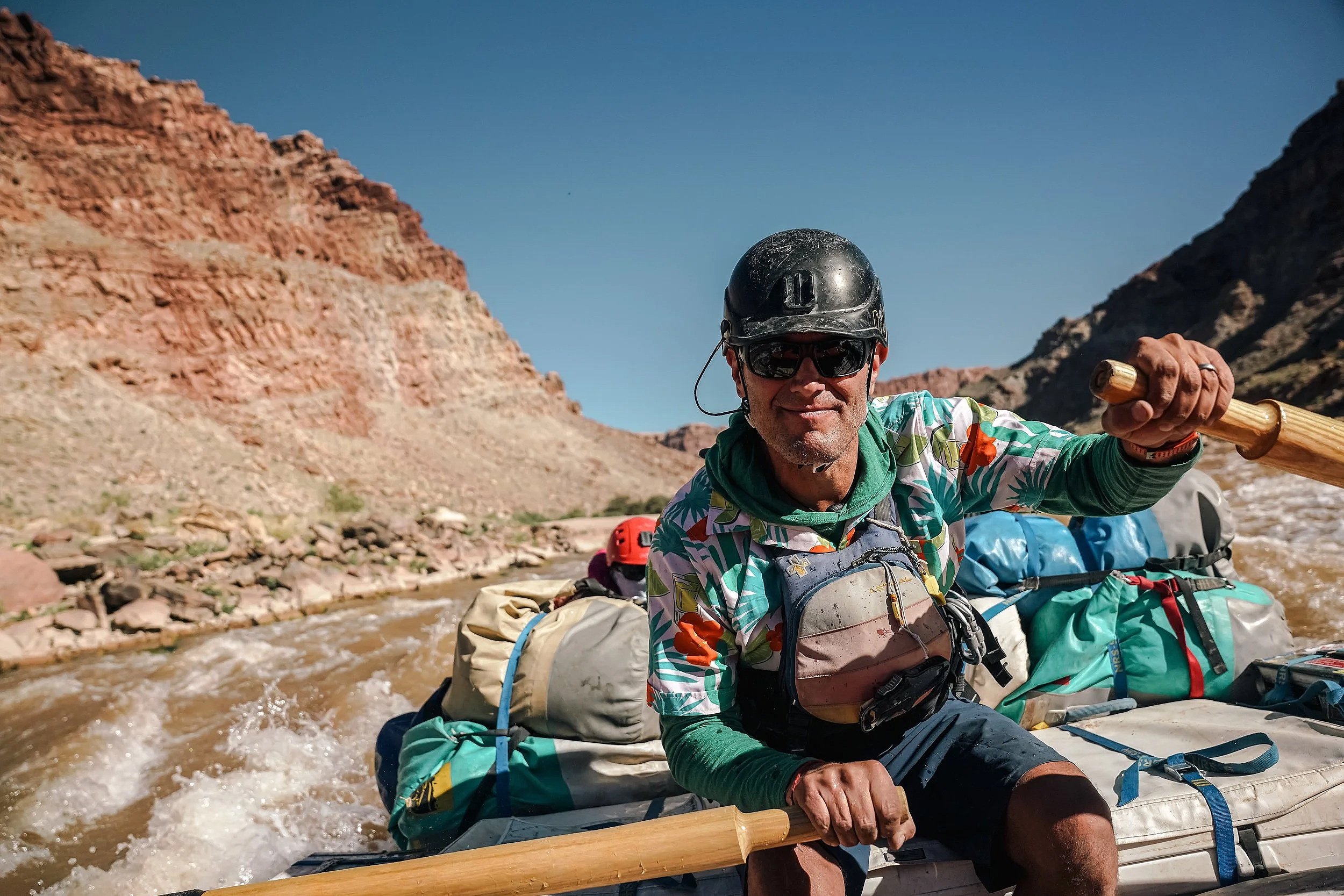
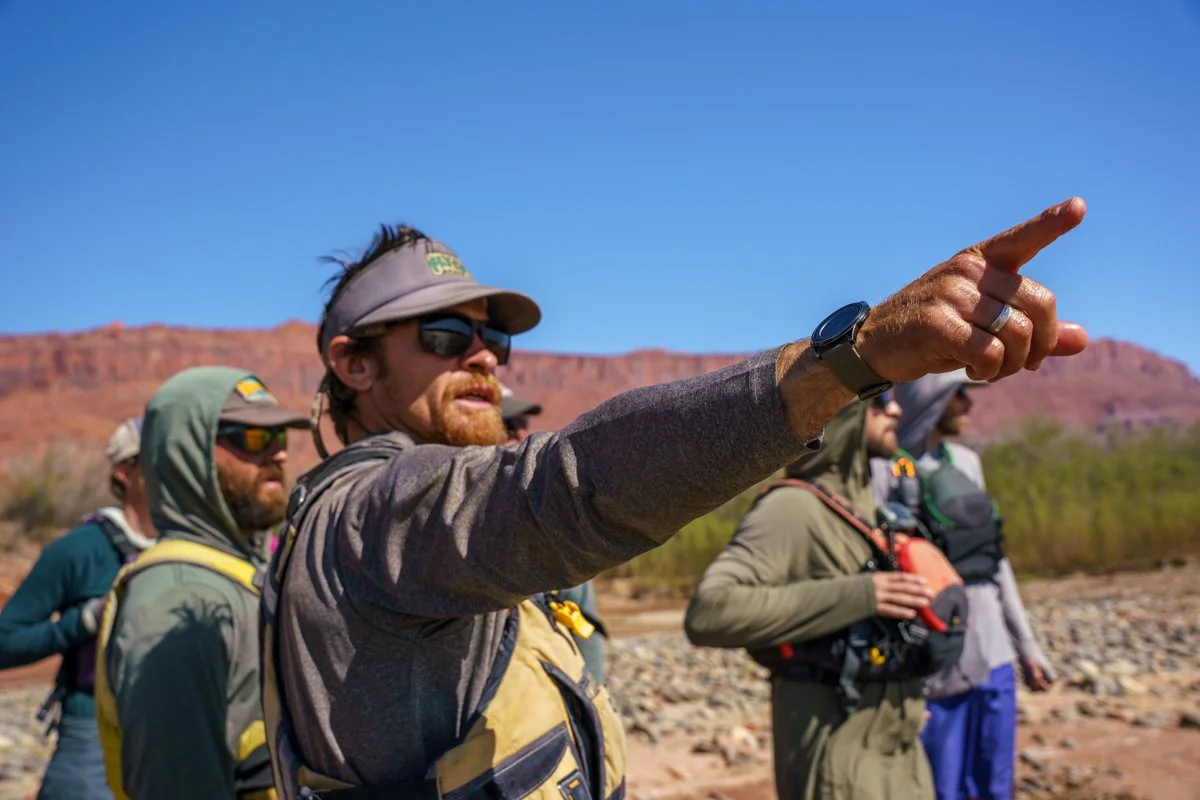
I have had the distinct pleasure of capturing some of the Project’s expeditions, historical photo matches, and deep passion for the churning whitewater of Cataract Canyon and the silty, meandering beauty of the lower San Juan River.
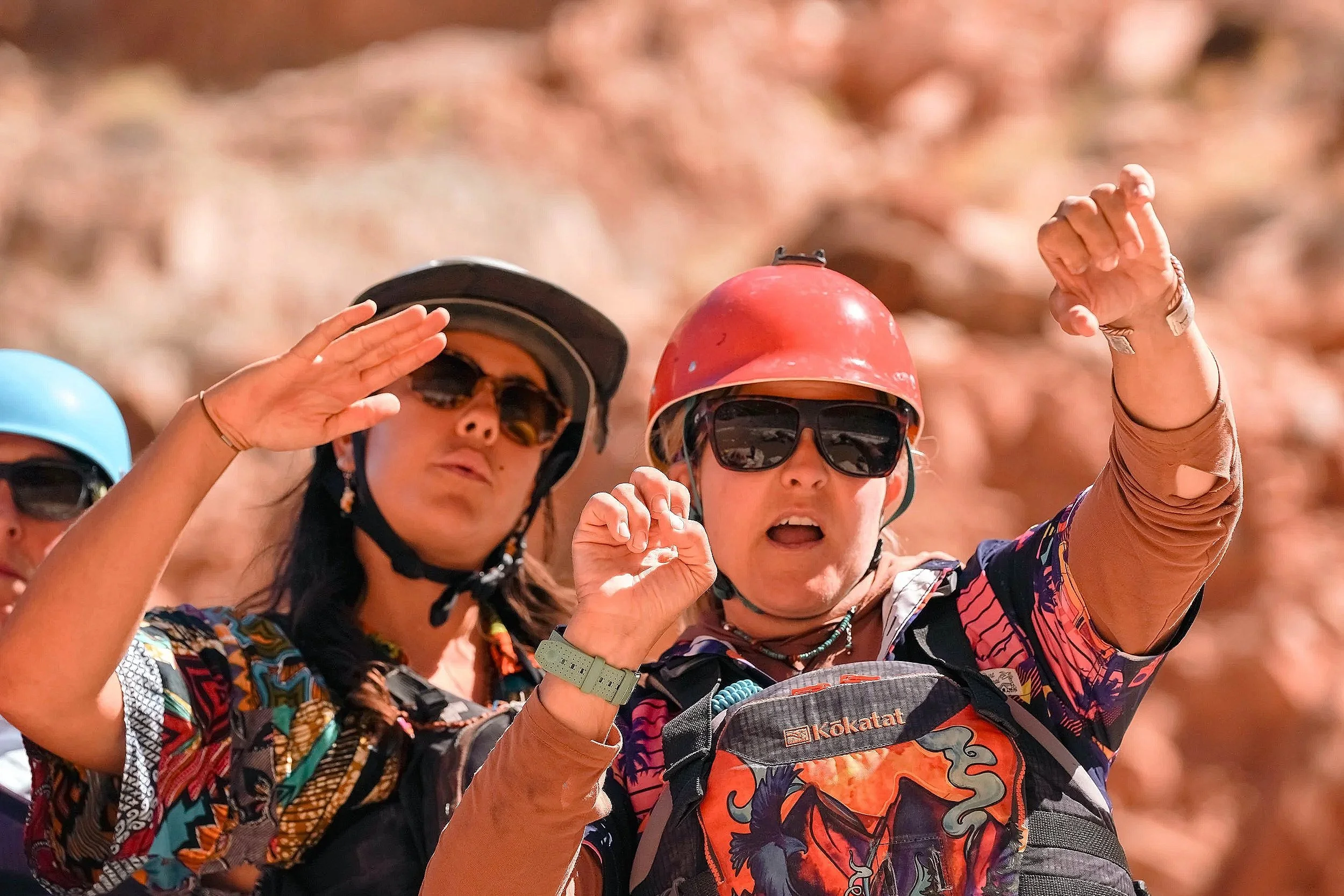
It’s been an honor to stand alongside such incredible humans and experience the mentorship and wisdom of one of the greatest rivers in the world.
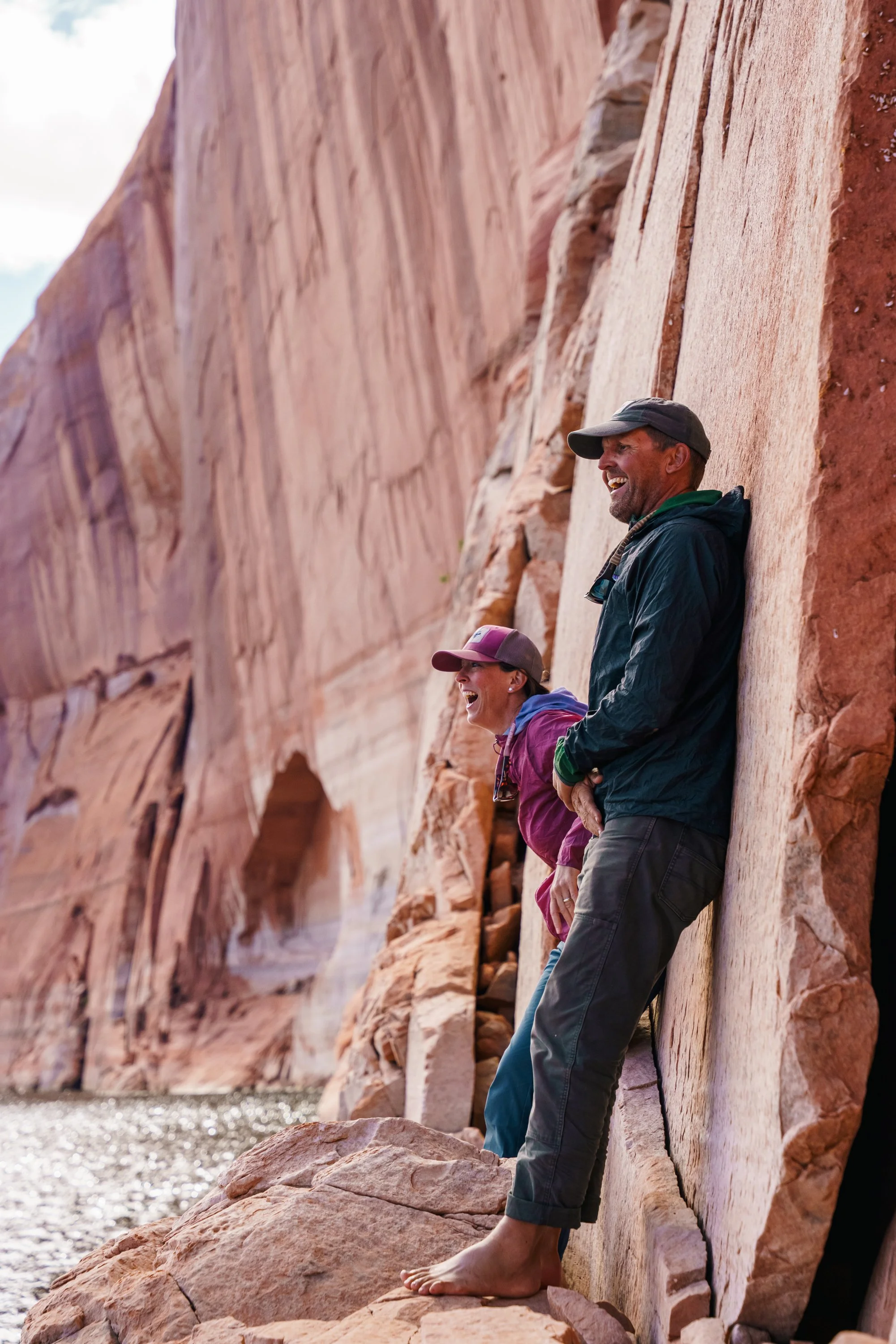
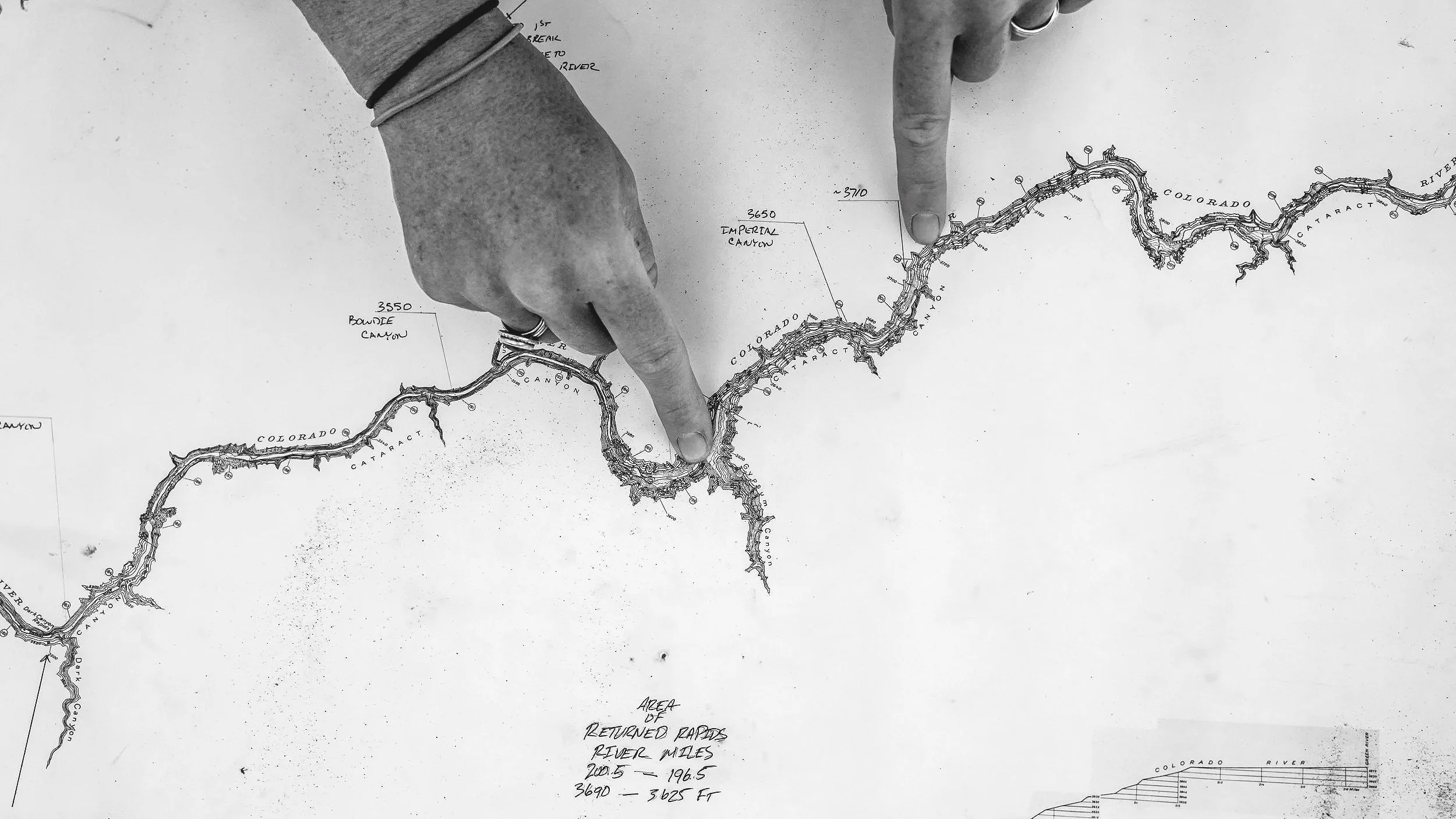
It’s a dedication to the voice and future of the Colorado River.
Join in telling the story.
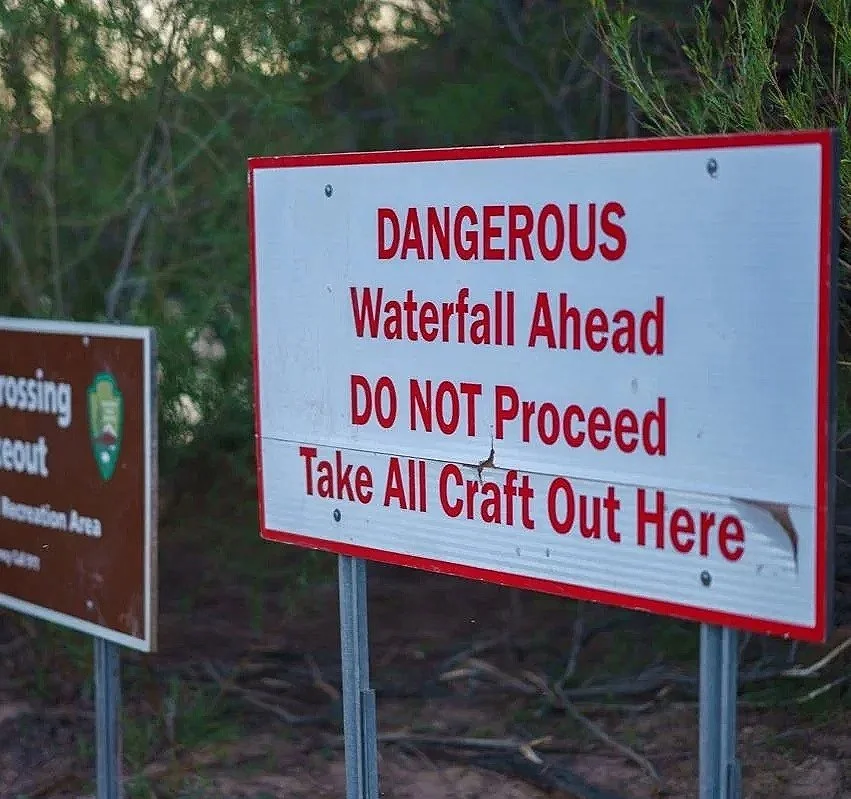
The Lowest San Juan River to Lake Powell
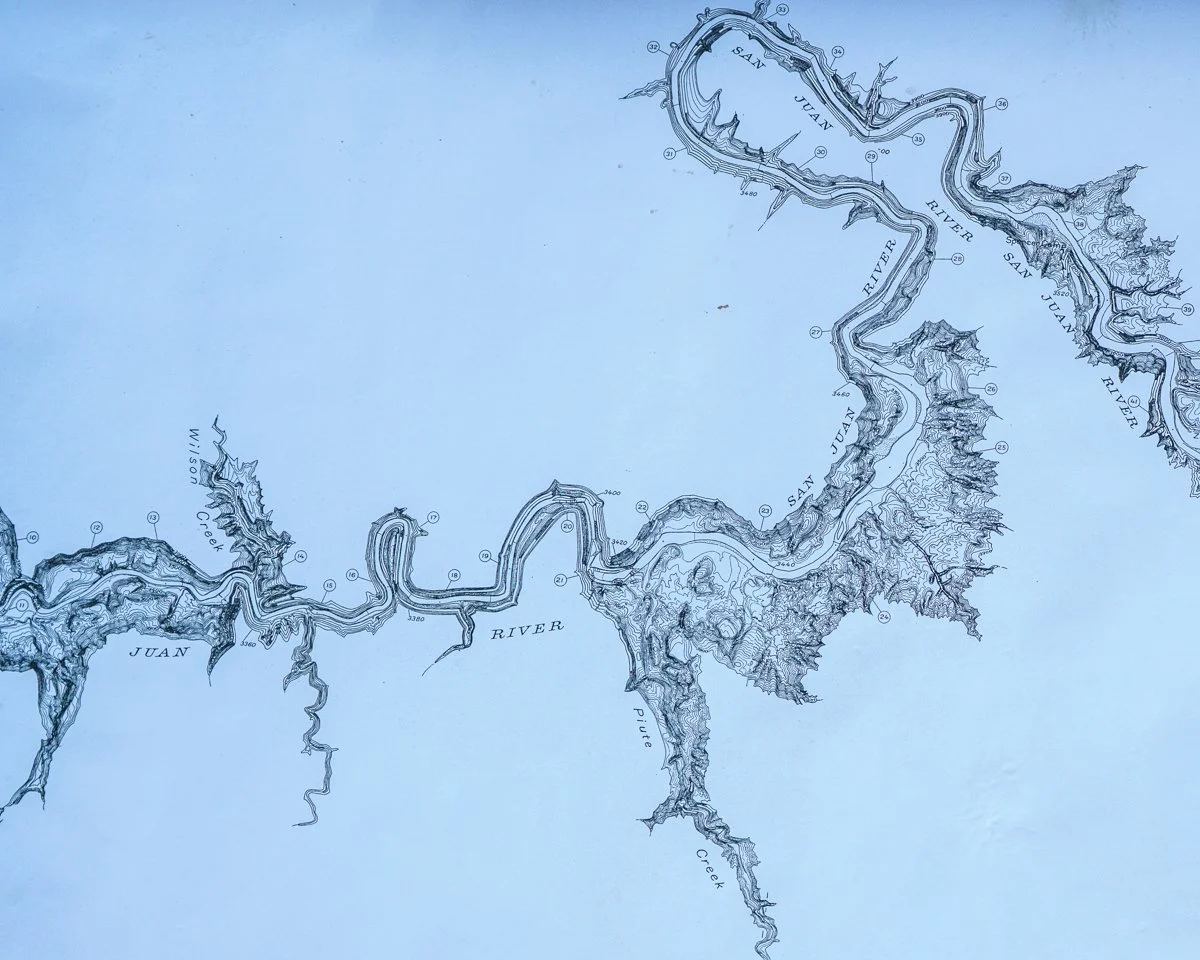
Clay Hills is where most river runners end their journey—a place where the San Juan River once disappeared into the blue, stagnant waters of Lake Powell.
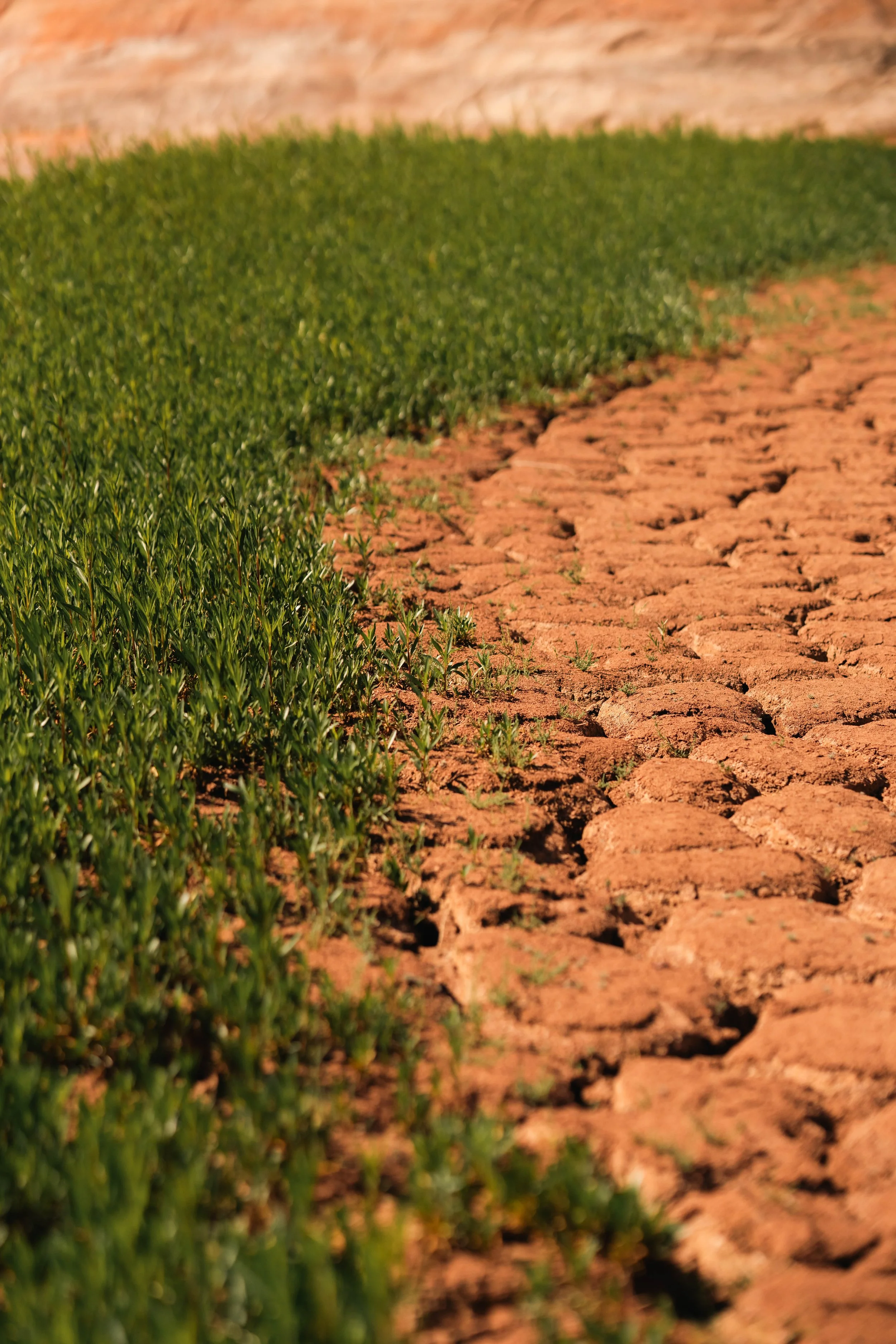
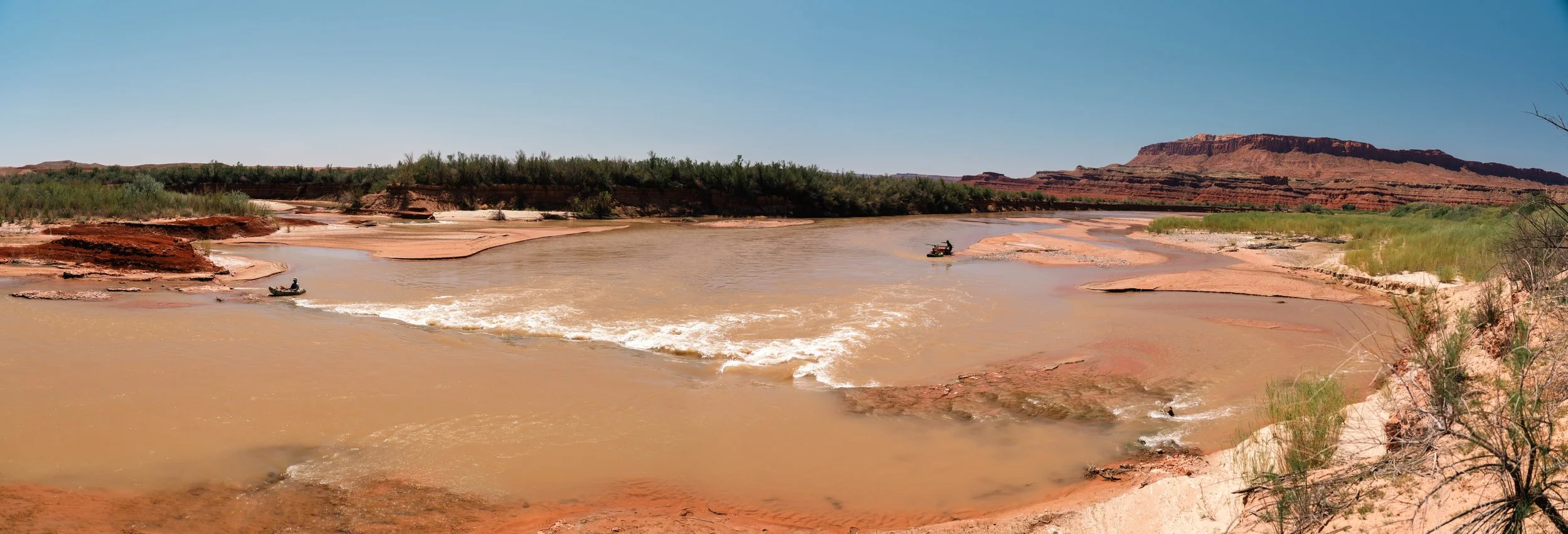
Now, Clay Hills marks the entrance to a forgotten stretch of river: the Lowest San Juan, where federal and Tribal lands converge, yet little measurable management exists. Current has returned to nearly 40 miles of river. There are no permits, few maps, and an ecosystem slowly finding its way back.
Here, we are offered a glimpse into memories of the wildness lost beneath the reservoir that drowned the canyons of the San Juan River, the confluence of the Colorado River, and the depths of Glen Canyon.
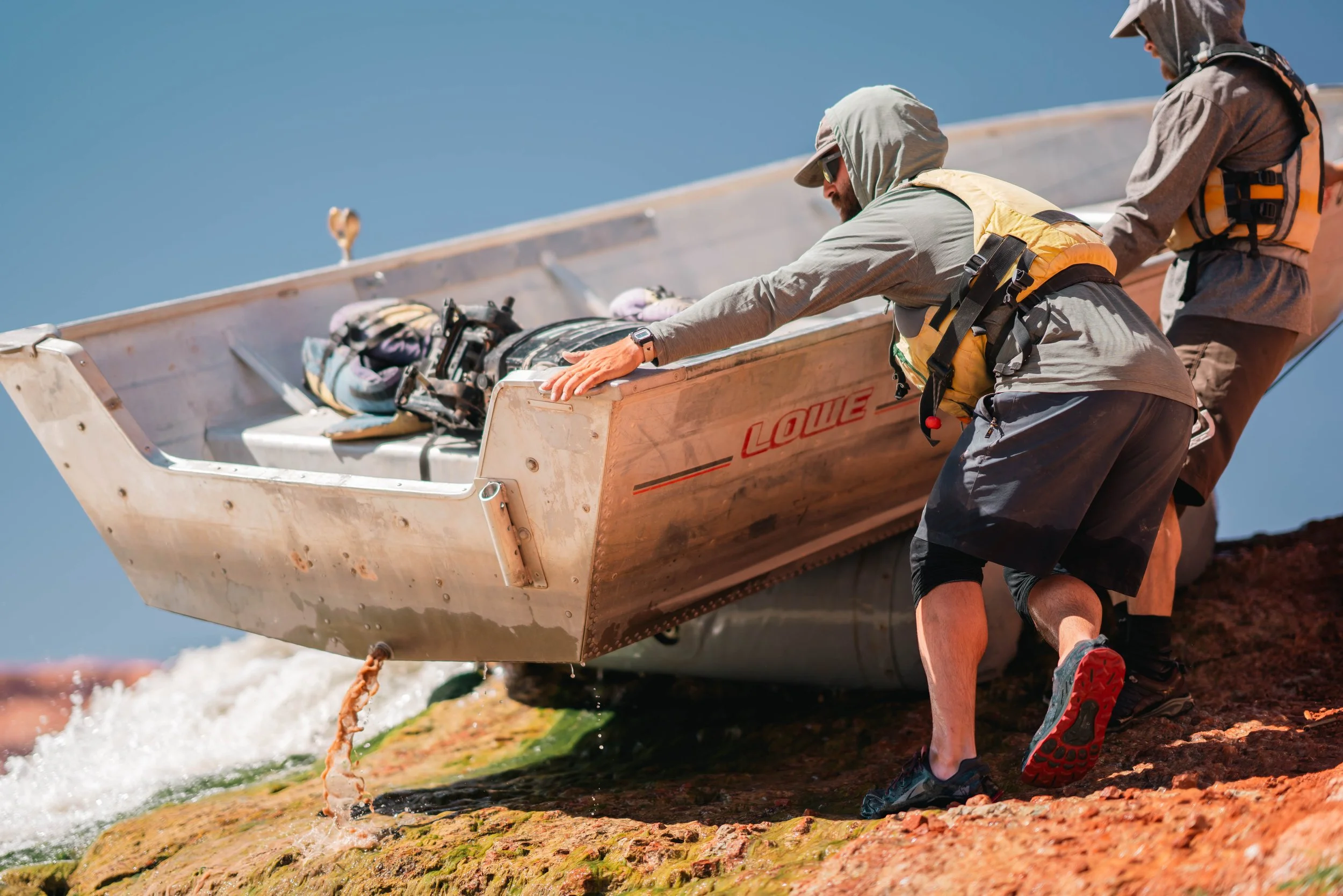
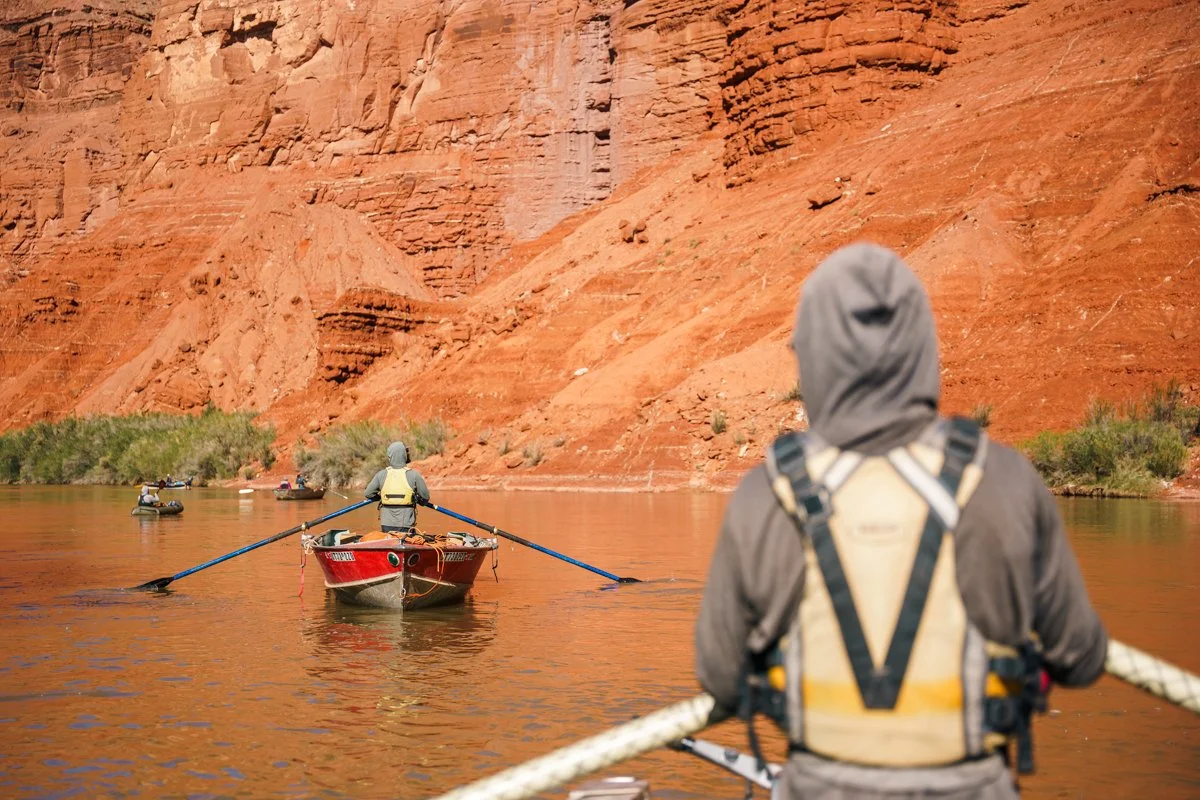
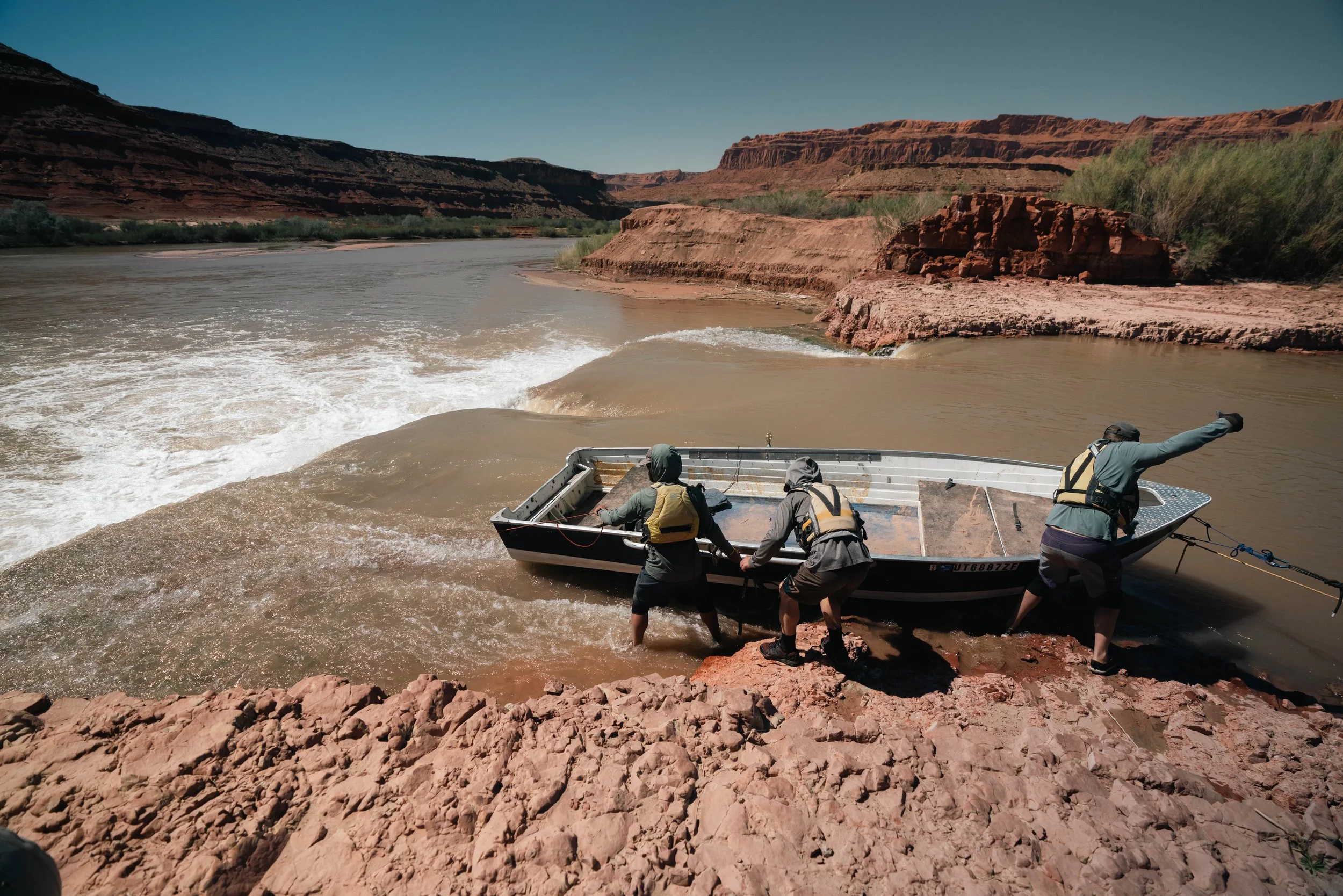
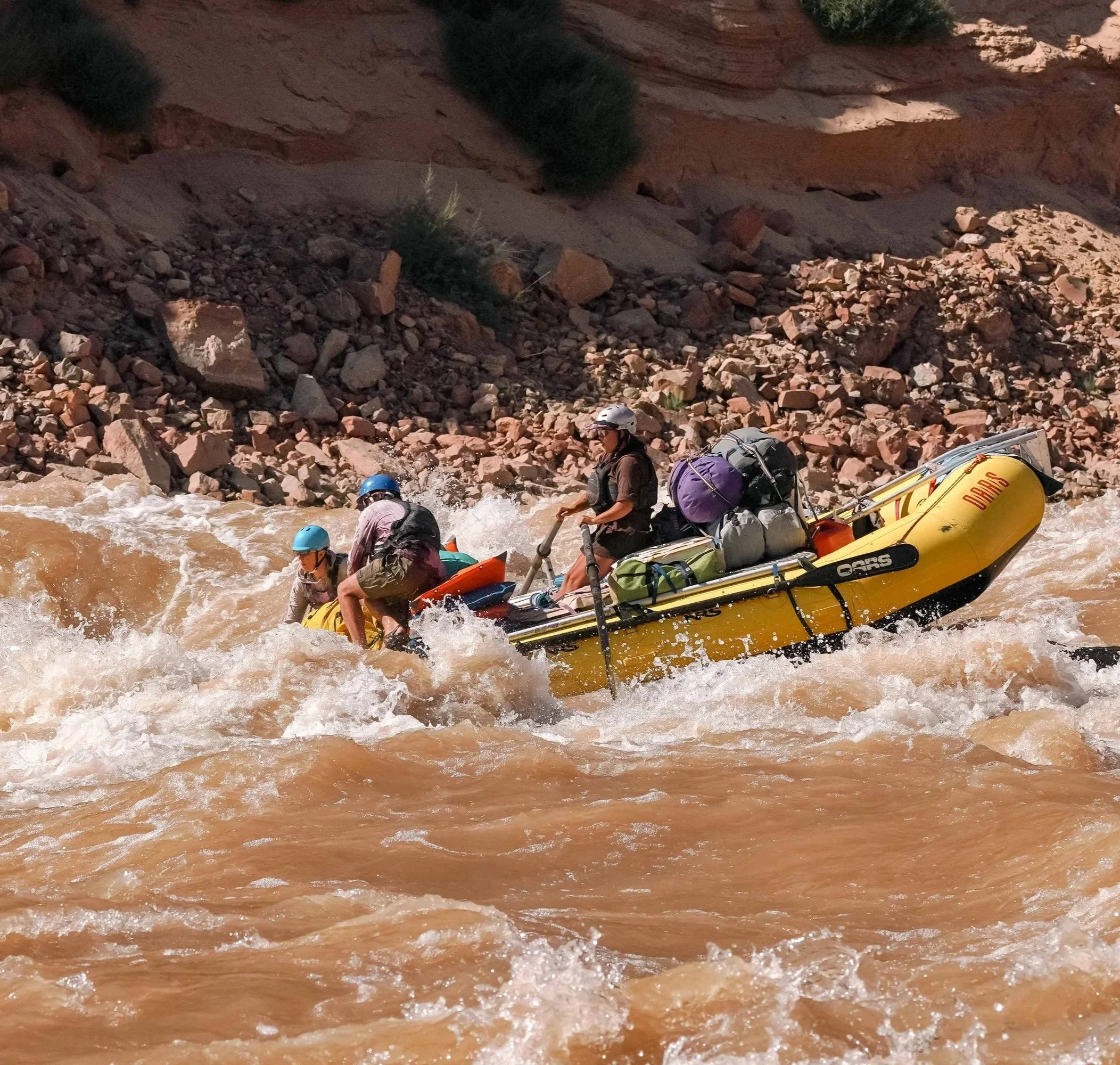
Cataract Canyon - The Rebirth of Gypsum Rapid
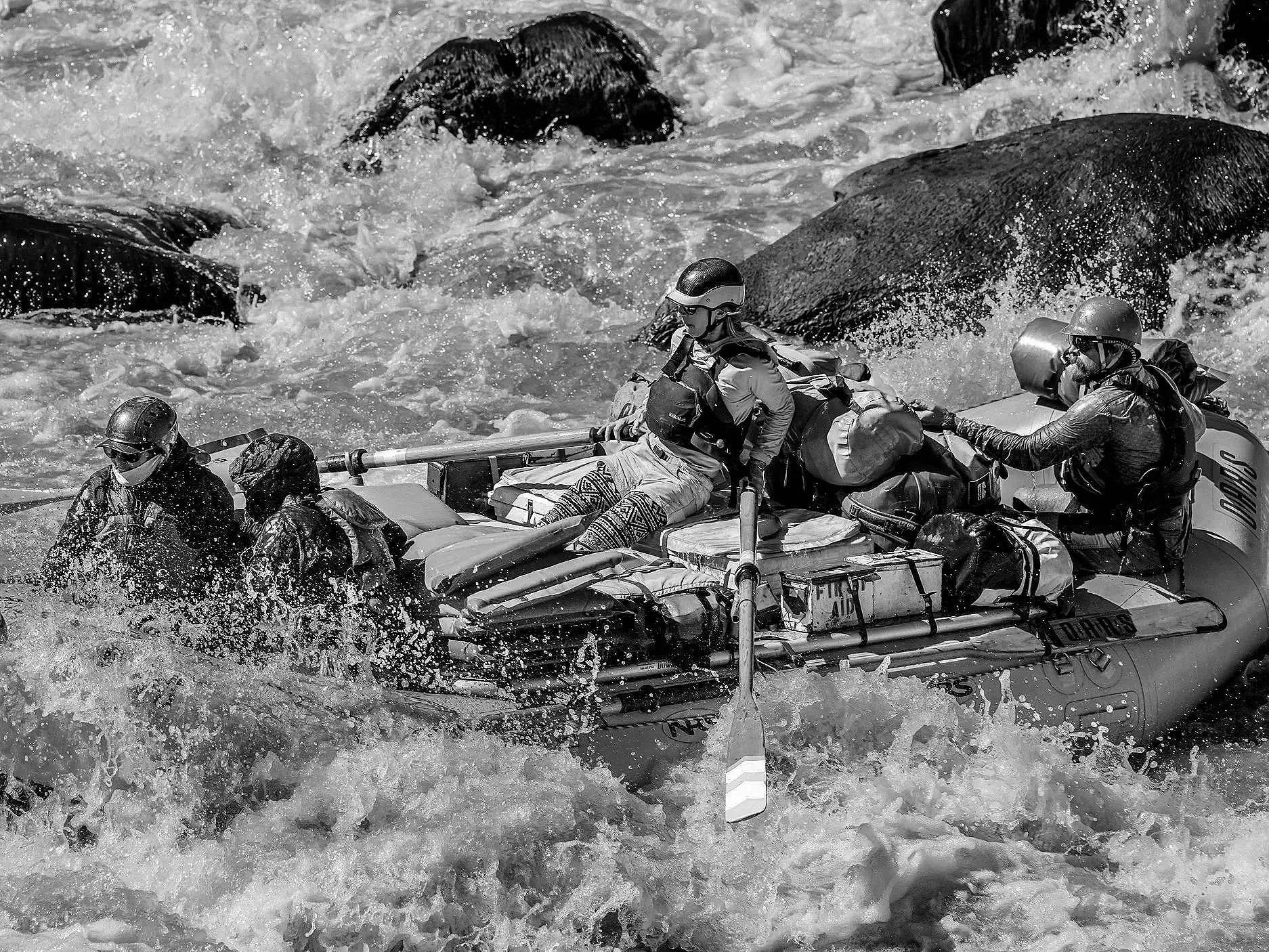
Cataract Canyon—the graveyard of the Colorado—remains one of the wildest stretches of river in the West. Remote and, at times, unforgiving, Cataract is a place where immense beauty meets the raw nature of the desert Southwest. It is a landscape that has long captured the imagination of river runners and adventurers alike.
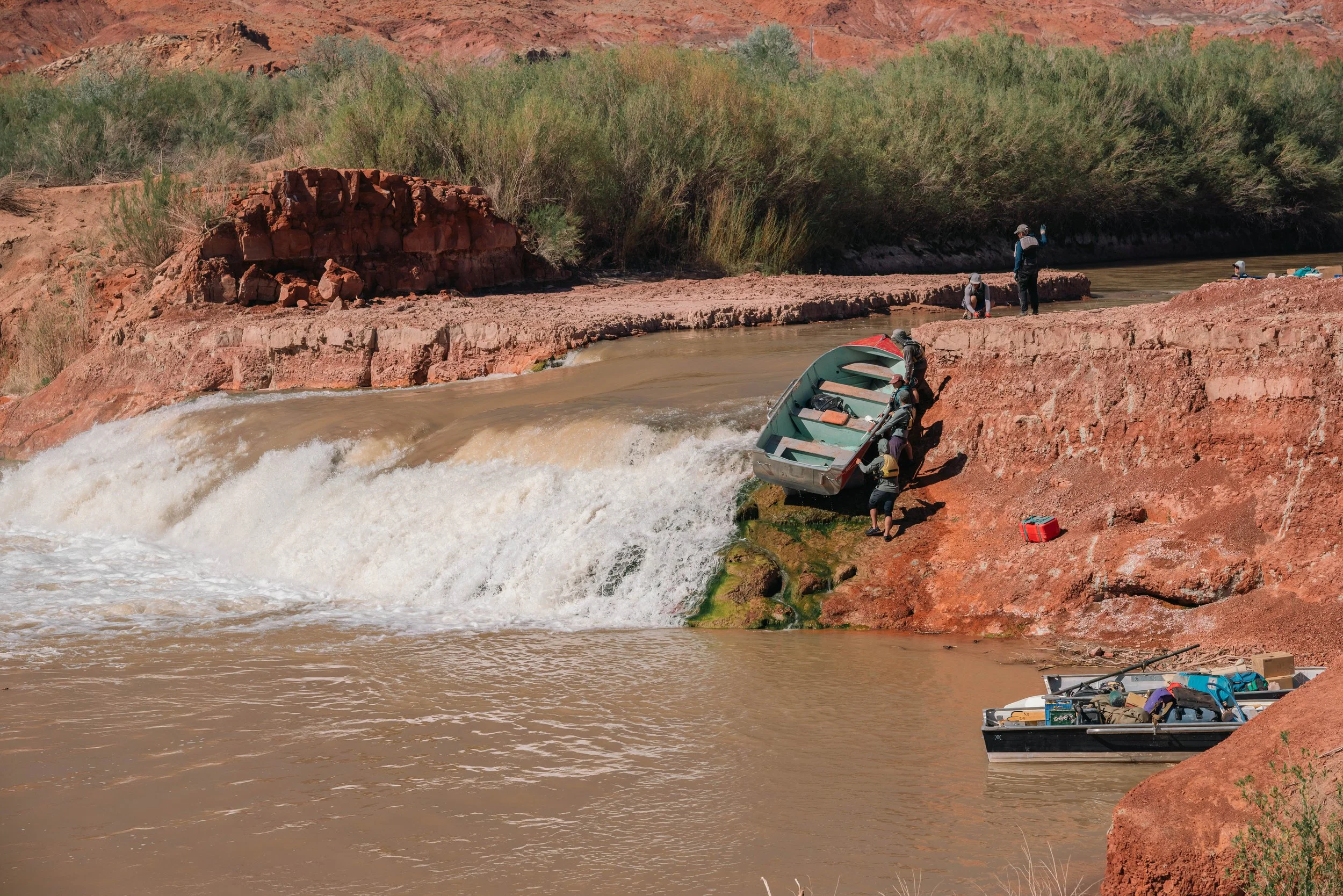
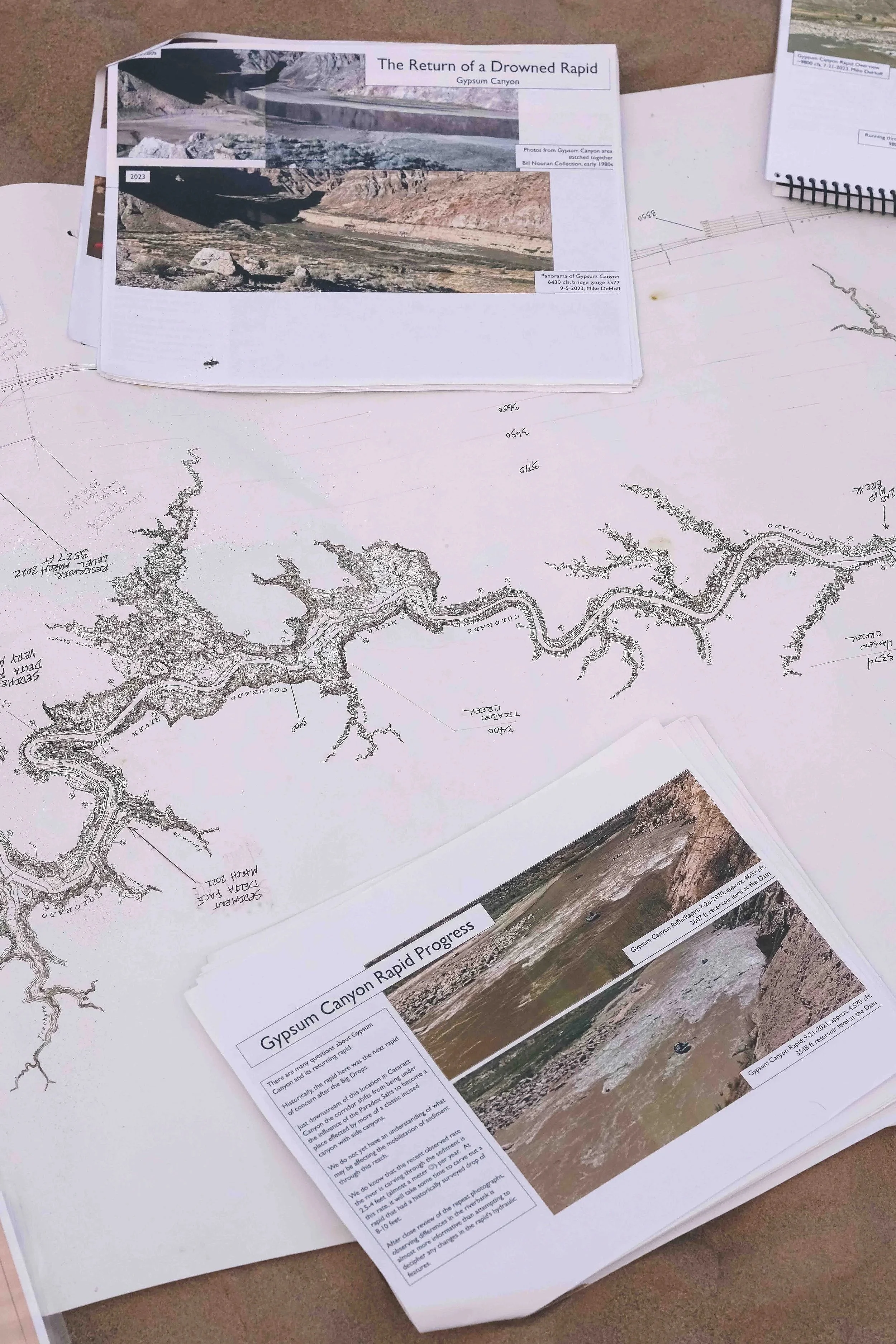
As the waters of Lake Powell recede, miles of river channel and rapids have reemerged—buried beneath sediment more than 100 feet deep in places. But something extraordinary is happening. The Colorado River, patient and determined, is returning.
Miles of flowing water have carved through the sediment with both beauty and ferocity, reviving ecosystems and rapids long thought lost—including the famed Gypsum Rapid, submerged for more than 60 years.
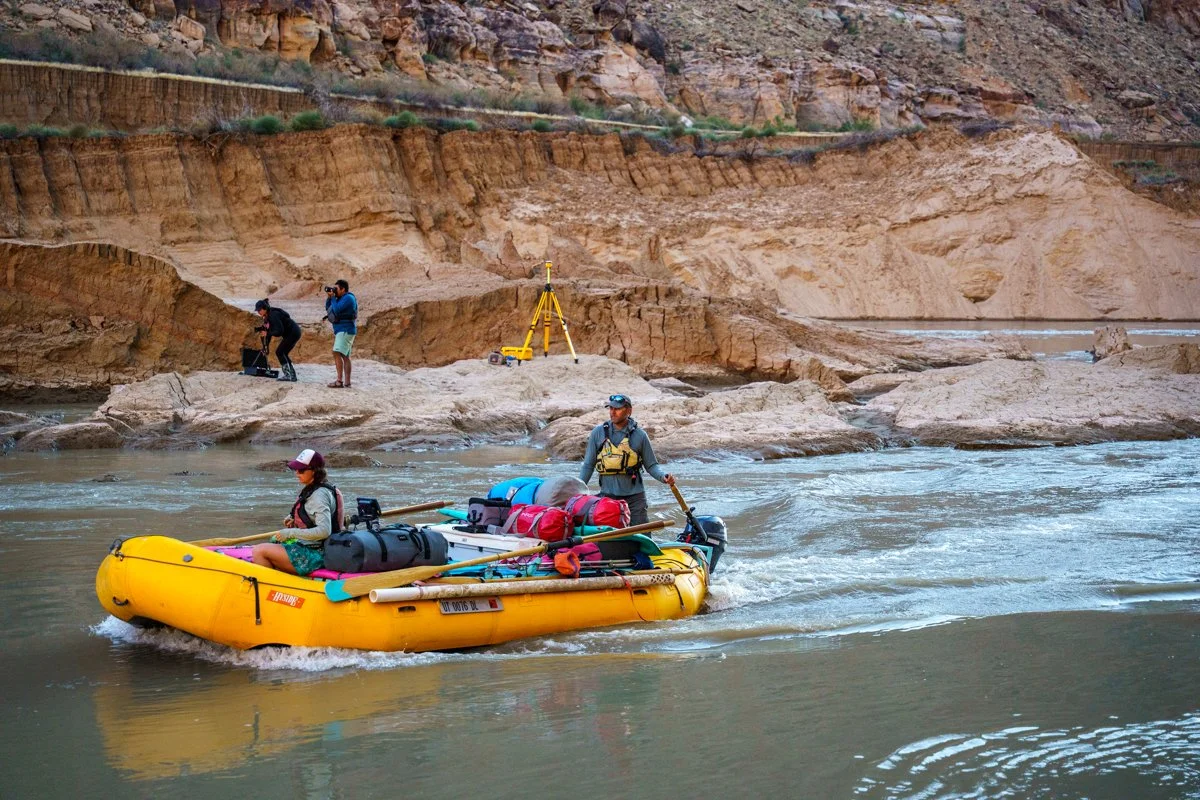
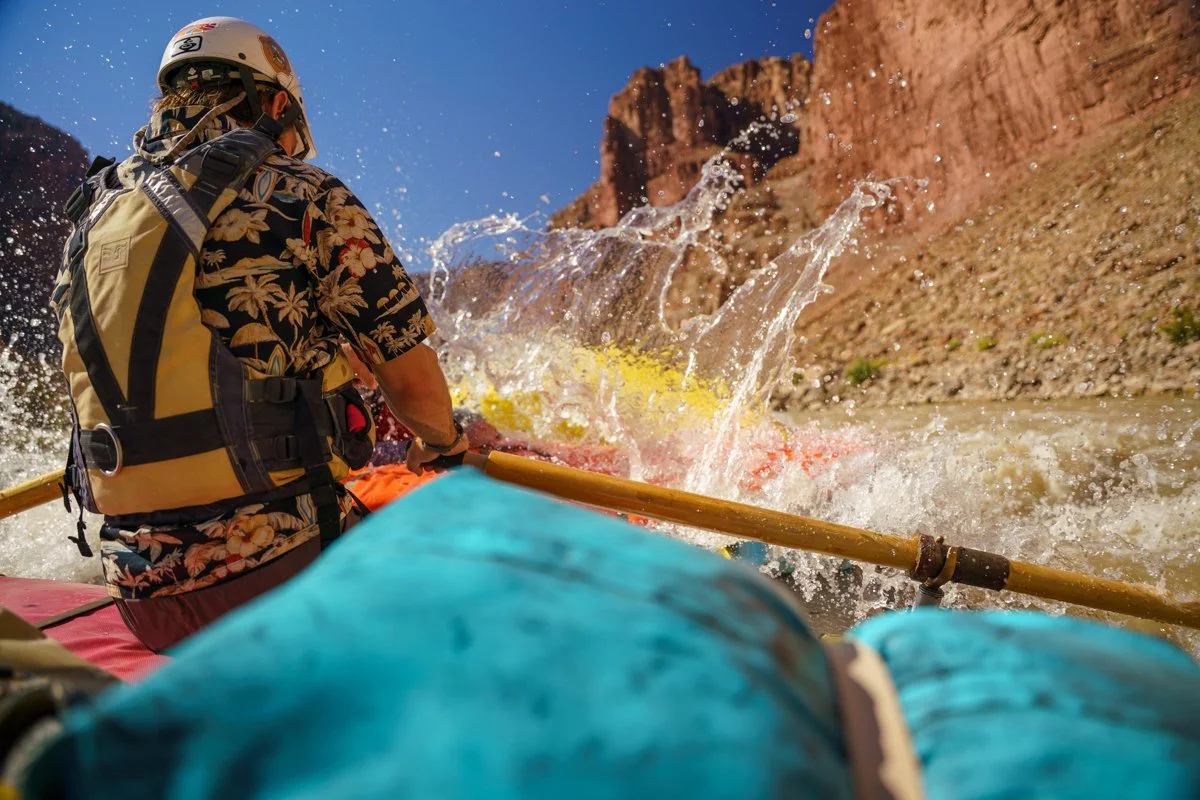
It is a place where the voice of the Colorado River still sings and speaks—reminding us that it is here to stay, if we choose to listen.